Well, unfortunately I am not going to tell you, I think you already know that. What I am going to tell you about is how a photographer named Holly got out of bed one morning to take some lovely sunset pictures. Sound good? Let’s Begin…
The ride out of bed is always fairly easy for Holly when the sun beams through the windows and wakes her up. (If you know me well enough you know I absolutely love a good sunset and I very much appreciate a sunrise too.)
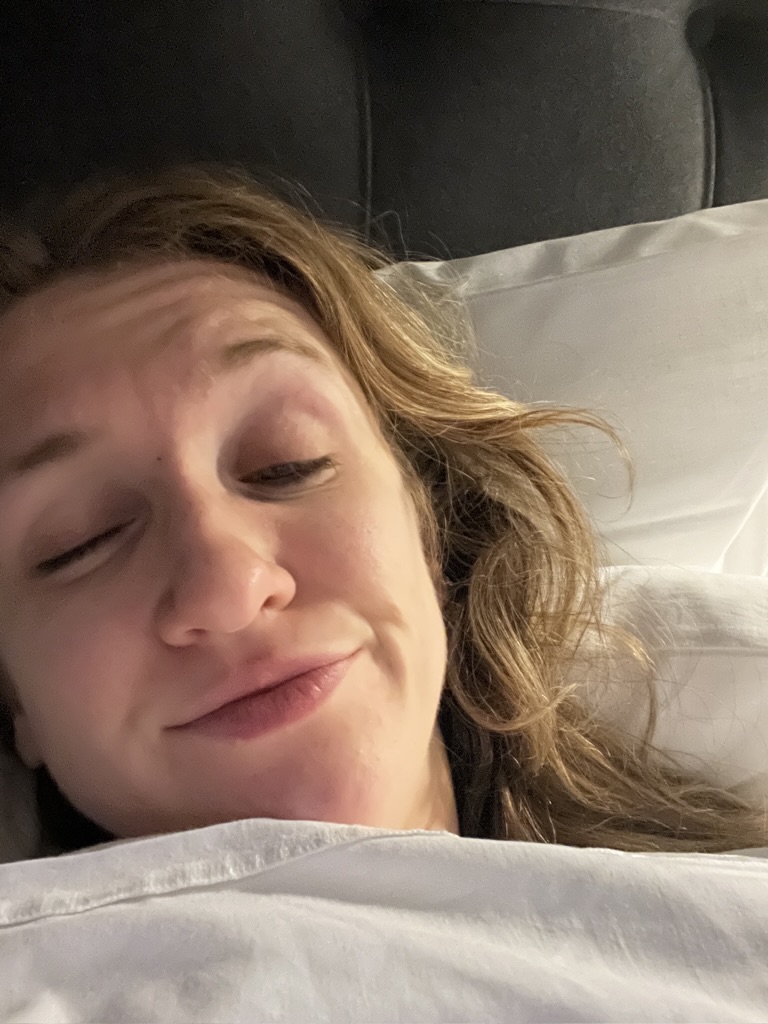
Not every morning Holly wakes up refreshed (as you can see in the picture!!!)
No Wedding this sunny morning for Holly, just her and her camera and the beauty of the morning sun. Getting out of bed was an easy feat for her this time knowing she was about to go out and see the sunrise.
Did you know? That the reason why the sun is so orange/red as it is just disappearing is because it loses shorter wavelengths of light (Blues green and yellow colours) through the atmosphere which means it is only left with the deep hues of orange and red.
Aside from that amazing fact, shall I tell you how Holly was able to capture the sunset?
The trick to capturing a sunset is just being there! The sunset and Holly were best friends at this point and even when the sun shone very bright she just pointed her camera and knew it would make for a great shot.
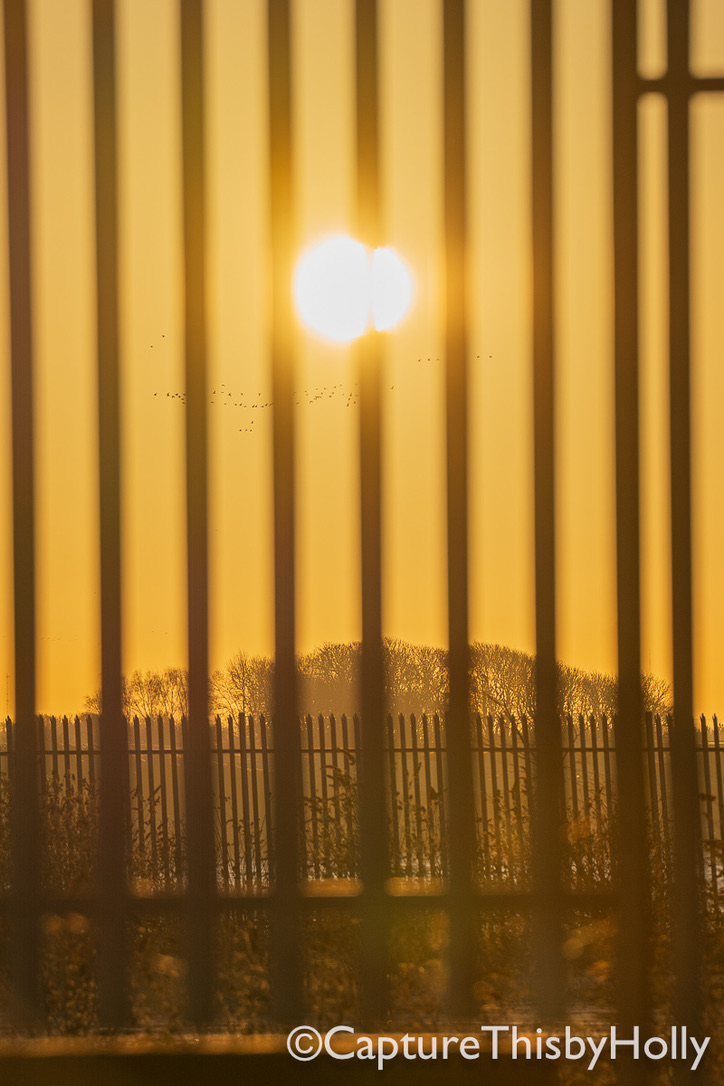
Her macro lens really got the detailed shots of the sun! She could zoom far and wide. Take this photo for instance.
If you move your eyes towards the sky you will see little black dots. These are Skein of Geese making flight in the sunny sky. Without Holly’s magnified lens (or telephoto lens) she would not have been able to capture what she was witnessing in the sky.
Did you know? When you zoom with a macro lens it acts like a Dolly zoom a little (but not completely). If you’re wondering what a Dolly Zoom is then I would give it a quick Google, it’s quite fascinating! Usually, As you zoom into something the background actually looks closer to the object and the image seems more condensed! Try it when you are in a car sometime, focus on the background and you’ll see the object will appear closer to you but as you get closer to it it is further away! It seems counter intuitive but it’s all to do with the science of the eye as a lens. Your camera has its own lens but depending on size will depend on the perception or final image. Below there is a great video on this called ‘The Shrinking Mill Illusion’ which illustrates this well!
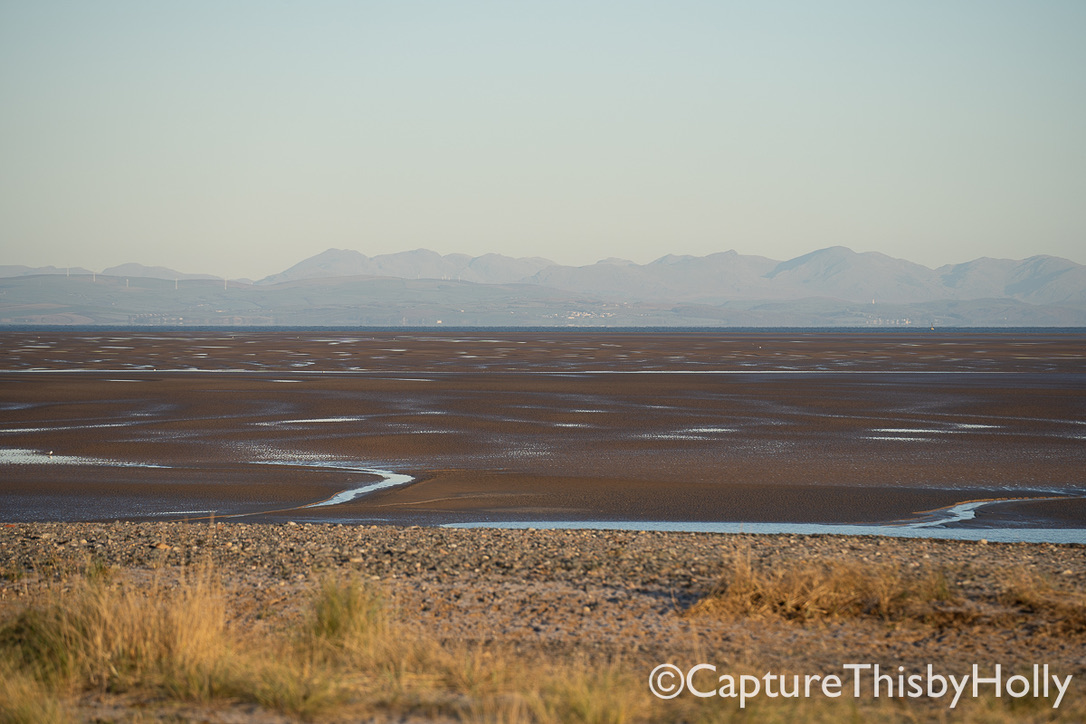
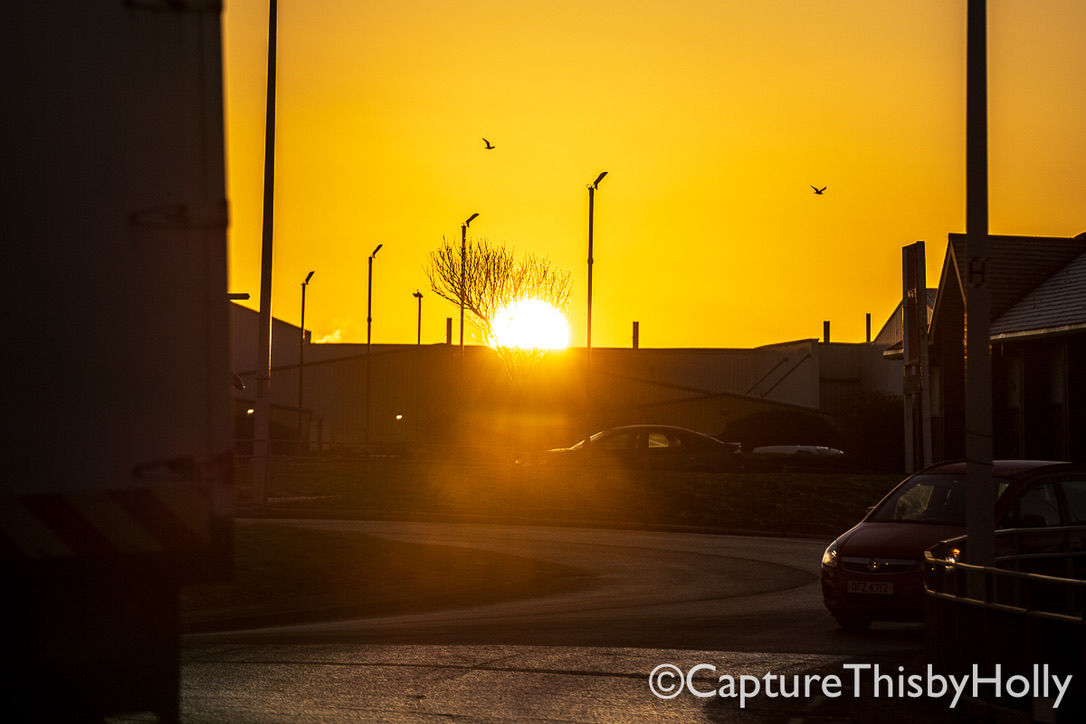
Getting back to the morning, Holly’s fingertips were freezing as the cold winter air was hitting her hands just as her hands were hitting the shutter button. After getting a few angles of the sun near the roundabout she hopped in her car and drove the calm and content beach. The Mountains were crystal clear in the soft blue morning sky. These Mountains were actually the hills of the Lake District across the water. Even from very afar she could admire their beauty and effortlessly capture more detail than her eye could see (thanks to her macro lens!)
Did you know? The human eye has a focal length of approximately 22 mm. This is like having a wide-angle lens where you can see much more around you compared to a macro lens which will only get a section of what you are seeing. Evolutionary speaking we need to have eyes which can see as much detail as possible so we can look out for potential predators which pose a threat to our survival.
When Holly finally got to the boating lake she was in awe of how still and calm the lake was. It is times like these when water really does start to look less like water and more like a large mirror melting away.
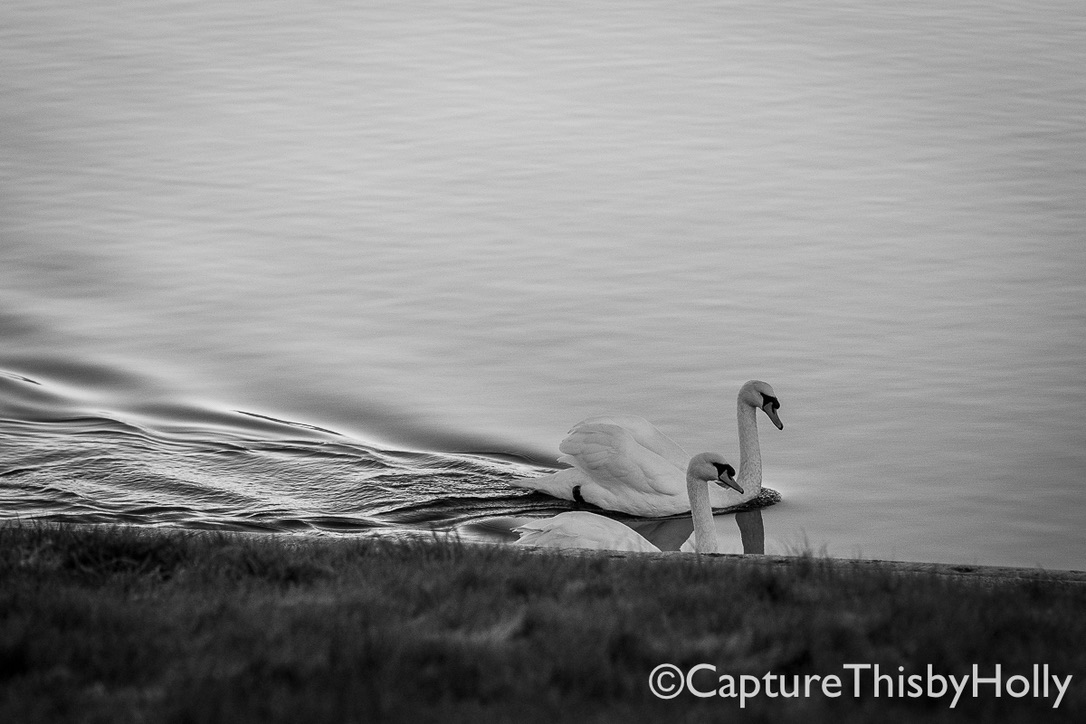
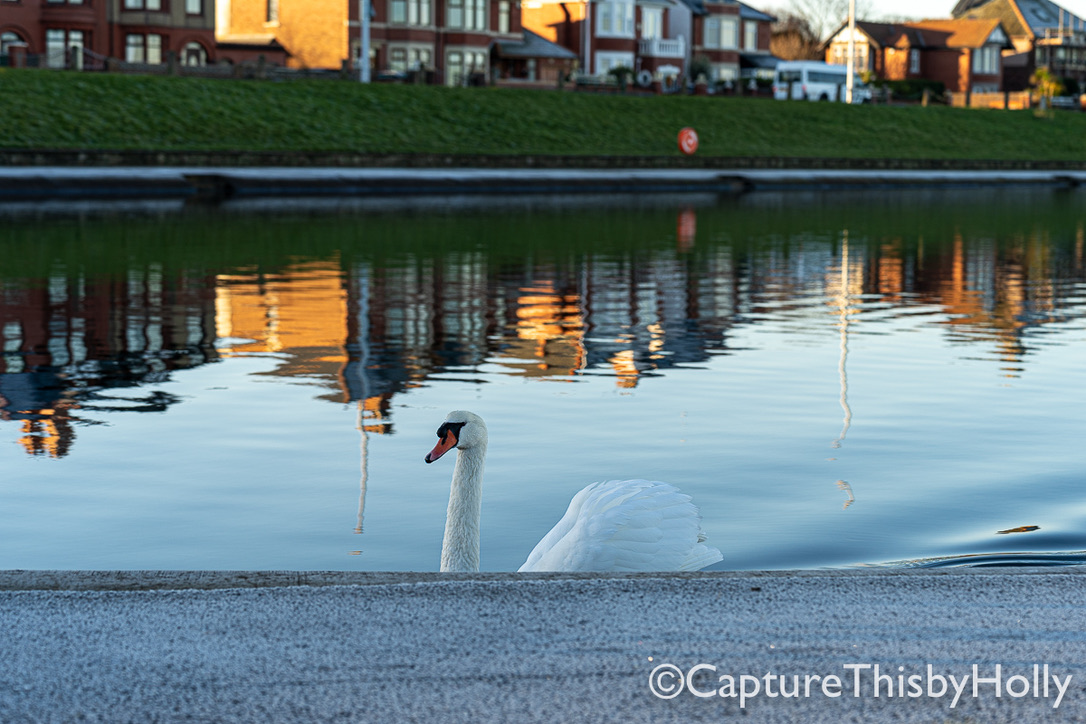
The swans were out in typical fashion gliding up and down the lake. As Holly edged closer she witnessed the ducks shifting their direction to her. ‘That will make for a great shot!’ She thought. Holly crouched down to the swan level to get a side-on shot of the duck and it was perfect. Analysing the photo, you could see the ice on the towpath at the bottom of the photo. Perfect! And As you worked upwards you could see the swan, then the beautiful calm water with colourful reflections of the houses above and then the houses at the top. This may just be an ordinary photo for some but if you dig a little deeper into all aspects of a photo it can be very enjoyable… Just like Mindfulness! When Holly practices Mindfulness she focuses on 3 things she can see, hear, smell, taste, and touch. Sounds too simple? Just try it and you’ll be surprised at how you remember more from the moment by taking 5 minutes to do this exercise.
On the topic of observation, Did you know? The human brain can process 11 million bits of information every second. However! Our conscious minds can only process 40 to 50 bits of information a second. This means every second our brains take cognitive shortcuts to help us really process everything around us! How we perceive and act toward the world is not down to everything we see and witness.
That’s why I believe Mindfulness is so useful because sometimes these cognitive biases play tricks on us and don’t serve a good purpose in life. For example, if you see a swan and you’ve had a bad experience with a swan previously you will automatically have a negative view of that swan and be stuck thinking about how it might attack you and walk away from the lake. By doing this, you are completely missing everything else around you and that swan really wouldn’t do anything unless it was provoked.
Back to the morning and it was time to head back and do some editing! Holly was filled with joy knowing she had captured some beautiful scenic shots, landscape shots and animal shots. She treated herself to a pat on the back!
Sunrises are like Weddings for me, they are both beautiful and represent a new day and a new life to be lived with Joy.
Thanks for reading my blog! I hope you enjoyed this morning's adventure as much as I did!
All my love,
Holly